Key Takeaways
- Hemingway's Yellowstone is the northeast corner, the Lamar Valley and Cooke City, not Old Faithful.
- Go in winter for wolves and solitude; the Gardiner to Cooke City road is the only one open to cars.
- Go between late May and mid-October to add the Beartooth Highway and fish the Clarks Fork.
- Base in the Paradise Valley at Sage Lodge, then spend two or three nights near Cooke City for dawn starts.
In the summer of 1930, Ernest Hemingway drove west across Wyoming with his wife Pauline and his son Jack to a guest ranch on the Clarks Fork of the Yellowstone River. The L Bar T, run by Lawrence and Olive Nordquist, sat on the Wyoming side of the line, a few miles from Cooke City, Montana, and just beyond the northeast gate of Yellowstone National Park. He liked it at once, partly because nobody there seemed to know who he was.
He settled into a routine. Olive Nordquist later remembered that he started each day with a big breakfast and half a bottle of wine, then went to his cabin to write. The book on his desk was Death in the Afternoon, and according to the Hemingway Society he finished it at the ranch. Afternoons went to the river, where the Clarks Fork and its tributaries offered some of the best fly fishing in the West, and to the mountains, where local wranglers took him after elk and bear.
That first summer ended badly. In November 1930 he rolled his car on one of the narrow roads of the time and broke his arm, and spent about two months in a Billings hospital. He came back anyway: in 1936, when he worked on To Have and Have Not, and again in 1938 and 1939. One of his last stories, “A Man of the World,” is set in Cooke City.
Ninety years on, his corner of Yellowstone is still the quiet one. Here is how to travel it.
Why Hemingway’s corner of the park?
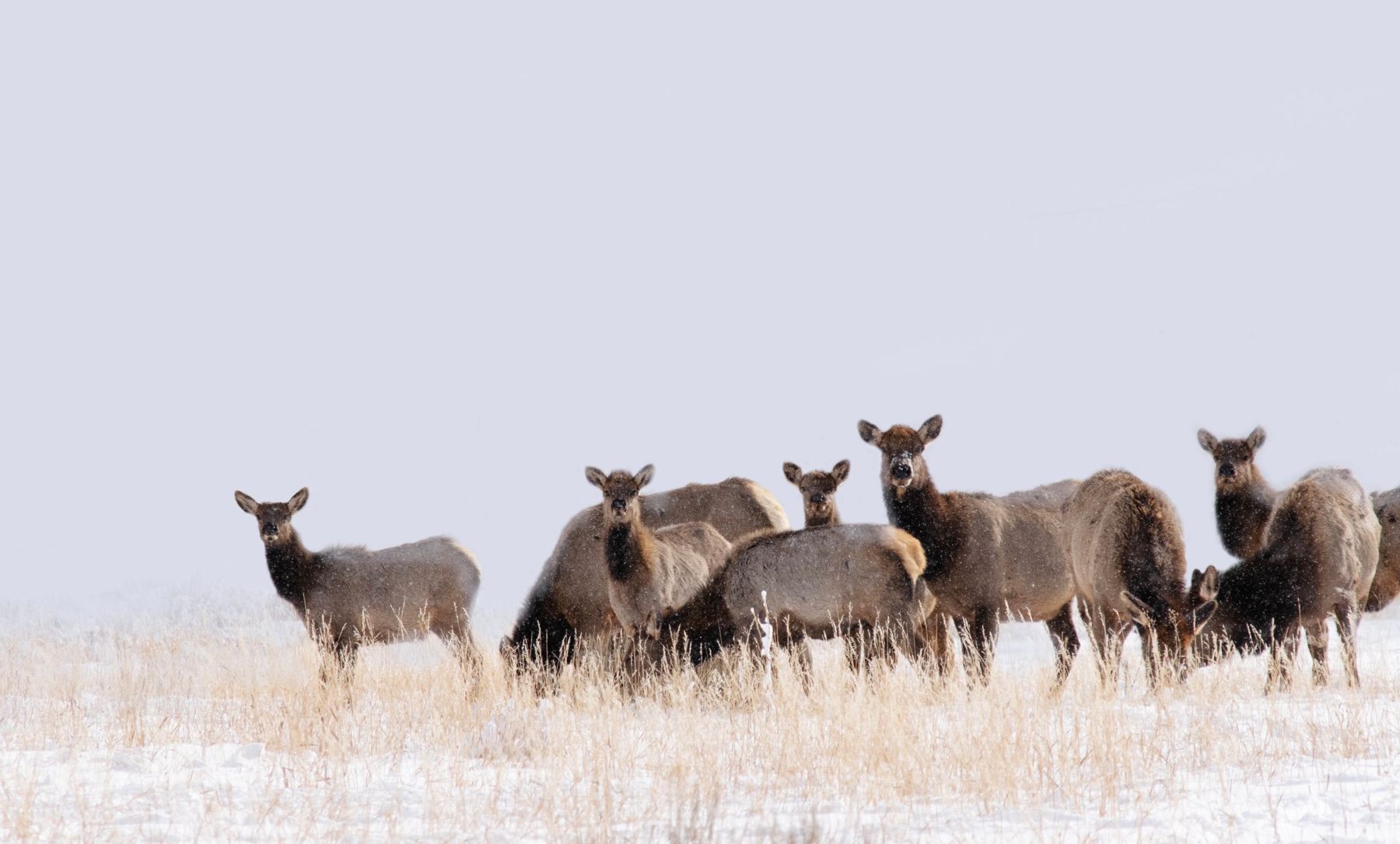
Most visitors come for Old Faithful and the geysers in the park’s southwest. Hemingway’s country is the opposite end: the Lamar Valley, a wide river valley often called America’s Serengeti for the bison, elk, wolves and bears that move through it, and the small mountain town of Cooke City beyond. It is the part of the park built for early mornings with a spotting scope, and for travelers who would rather watch a wolf pack than a geyser schedule.

When should you go?
Winter is the season for wildlife. Most of Yellowstone’s roads close to cars on November 1, but the road from the North Entrance at Gardiner to the Northeast Entrance at Cooke City stays open all year, weather permitting. It runs past Mammoth Hot Springs and Tower Junction and straight through the Lamar Valley. With the rest of the park closed to traffic, animals stand out against the snow and the valley belongs to a handful of people. Snowcoach and snowmobile travel into the park’s interior begins on December 15 for travelers who want to add the geysers.
Summer, from late May to mid-October, opens the full route. The Beartooth Highway climbs from Red Lodge, Montana, over the 10,947-foot Beartooth Pass and down into Cooke City. The Forest Service suggests allowing at least two to three hours for the drive, and snow often lingers at the top into July. This is also the season for the Clarks Fork itself, and for fishing the water Hemingway fished.
Where should you stay?
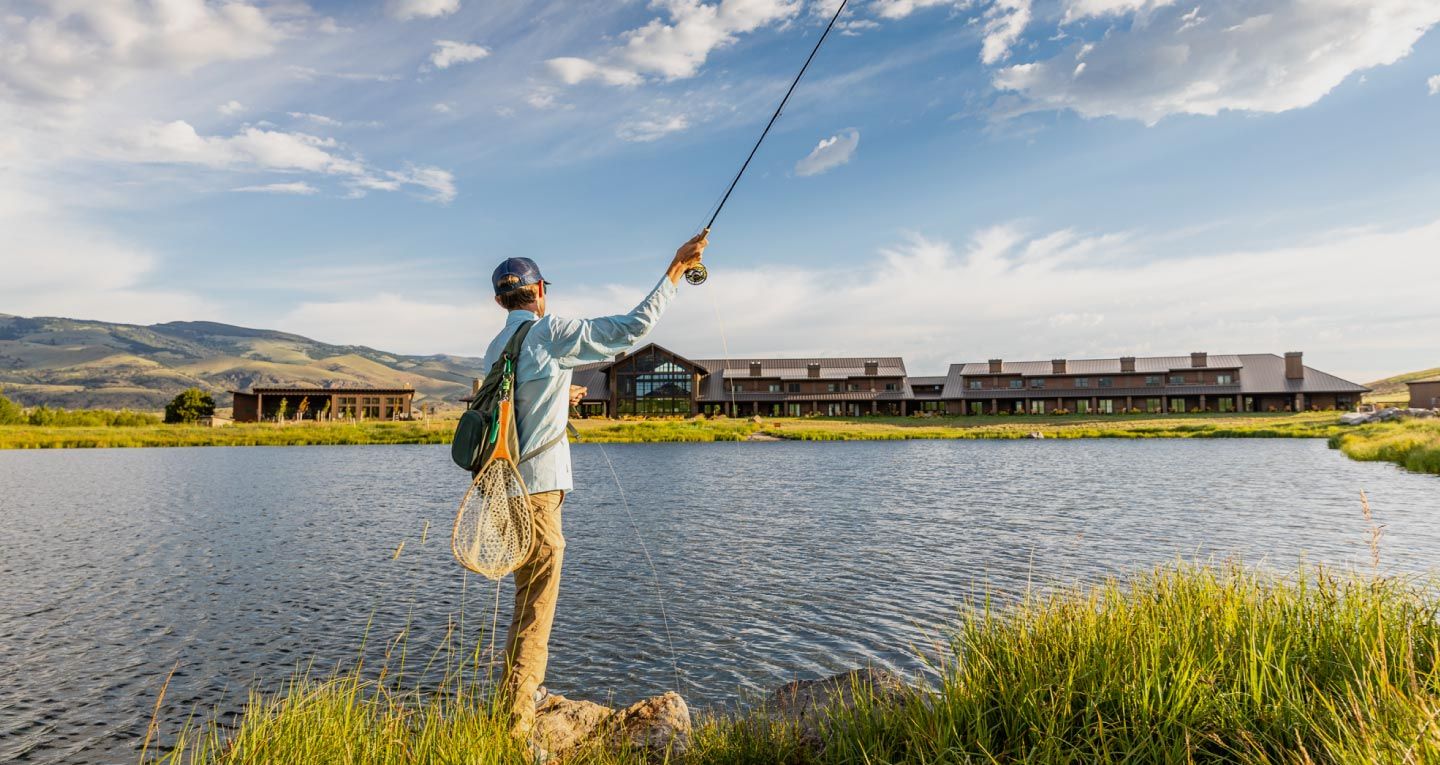
Start in the Paradise Valley, the stretch of the Yellowstone River between Livingston and Gardiner. Sage Lodge, in Pray, Montana, is the strongest base on this side of the park: 38 rooms on the river, a spa, two restaurants built around local ranches, and three MICHELIN Keys, the guide’s highest rating. It sits under an hour from the North Entrance, close enough for day trips to Mammoth and the Lamar Valley.
For the dawn starts that wildlife watching demands, your advisor can pair Sage Lodge with a simpler, private base near Cooke City or Silver Gate for two or three nights, so you are already at the east end of the valley when the light comes up.
A week in Hemingway’s country: the itinerary
Days 1 and 2: Paradise Valley. Fly into Bozeman and drive south to Sage Lodge. Spend a day on the Yellowstone River with a fishing guide, or simply let the valley slow you down.
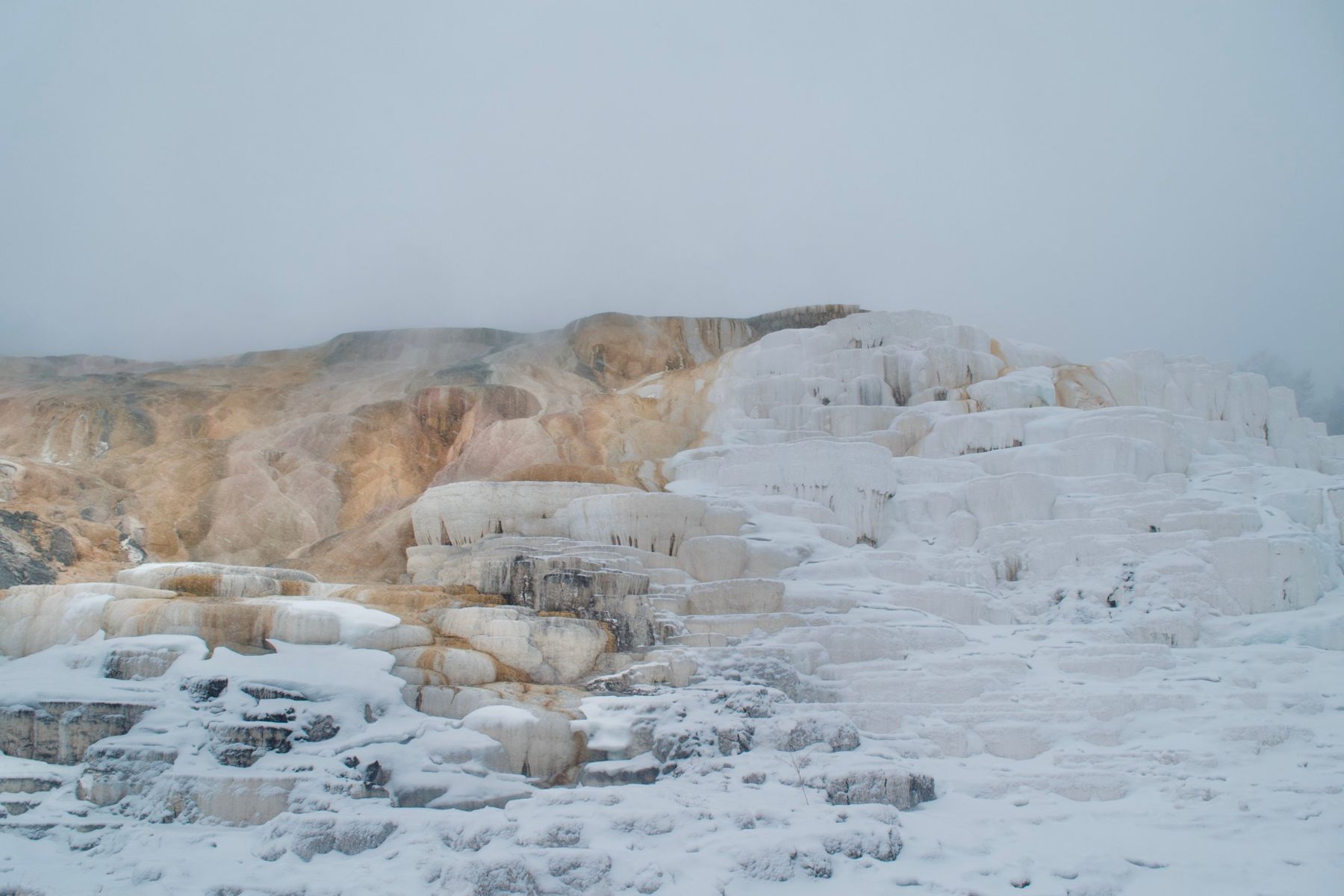
Day 3: Mammoth Hot Springs. Enter at Gardiner through the Roosevelt Arch and walk the travertine terraces at Mammoth, which in winter steam against the snow.
Days 4 and 5: The Lamar Valley. Move to the northeast corner. Go out before sunrise with a private wildlife guide who knows where the packs have been moving, and spend the middle of the day in Cooke City, the setting of one of his late stories.
Day 6: Hemingway’s river. In summer, fish the Clarks Fork or drive the Beartooth Highway over the pass. In winter, snowshoe the quiet trails near Silver Gate.
Day 7: Depart. Drive back through the Lamar Valley one last time on the way to Bozeman. It is rarely the same valley twice.
What he would still recognize
The ranch years shaped Hemingway’s writing more than most readers know. The hunting he learned in these mountains came before his first African safari, and the landscape around the Clarks Fork runs through his letters from the 1930s. The roads are paved now and the bears are protected, but stand at the east end of the Lamar Valley on a winter morning, with the Absaroka peaks behind you and nothing moving but the animals, and the country looks very much as he left it.
What You Actually Want to Know
Can you visit the ranch where Hemingway stayed?
The L Bar T was a private guest ranch on the Clarks Fork in Wyoming. Treat the surrounding valley, river and Cooke City as the experience rather than the property itself.
Is winter in Yellowstone worth it?
For wildlife, yes. With most park roads closed to cars, the Lamar Valley is quieter and animals are easier to spot against the snow. The trade-off is limited access to the geysers unless you add a snowcoach day after December 15.
How many days do you need?
Seven nights lets you split the trip between the Paradise Valley and the northeast corner without rushing. Five is the minimum.
Where should you fly into?
Bozeman, Montana. From there it is a straight drive south through the Paradise Valley to the North Entrance at Gardiner.
Tell a Noon Wild advisor which story pulled you in, and we will build the trip around it. Start the conversation.